

Young Adults & Next Generation Planning
Designed to help young adults and the next generation build confidence with money, understand foundation financial decisions, and create a stronger future from the beginning.
Building Financial Independence
As young adults begin earning, spending, saving, and making financial decisions on their own, understanding the basics can help create greater confidence, flexibility, and long-term stability.
Starting Earlier Creates More Options
The earlier financial habits begin, the more time there may be to build savings, understand workplace benefits, manage debt thoughtfully, and prepare for future goals with greater choice and flexibility.
Important Areas of Next Generation Planning
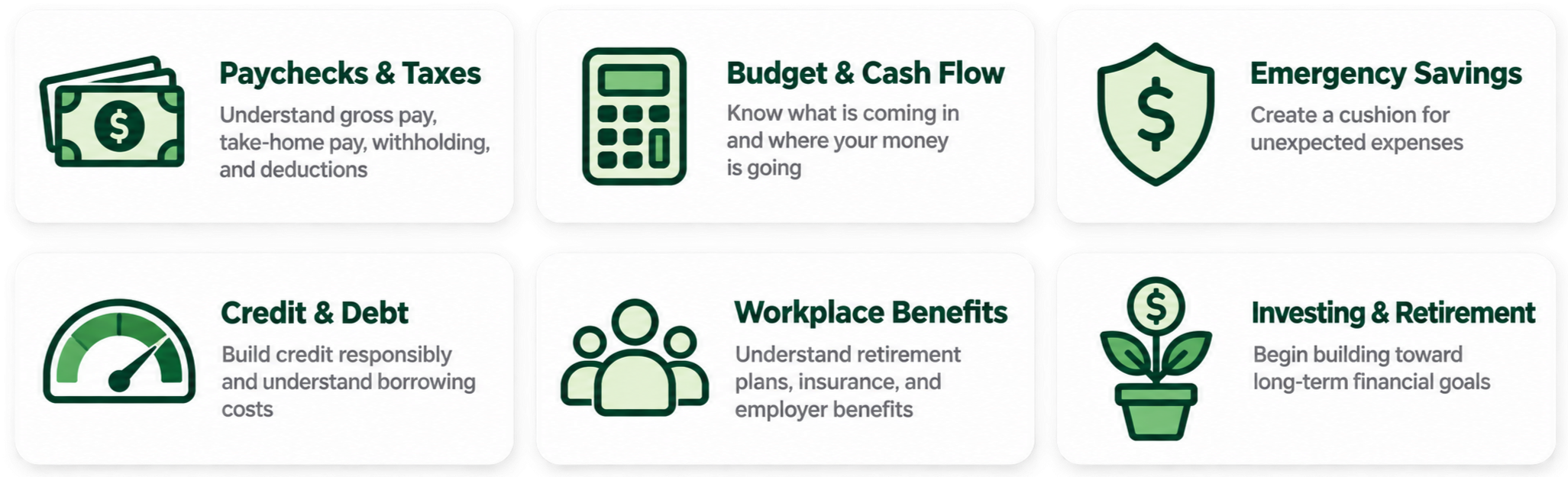
Building Financial Independence Has Several Pieces
Building Toward Financial Independence
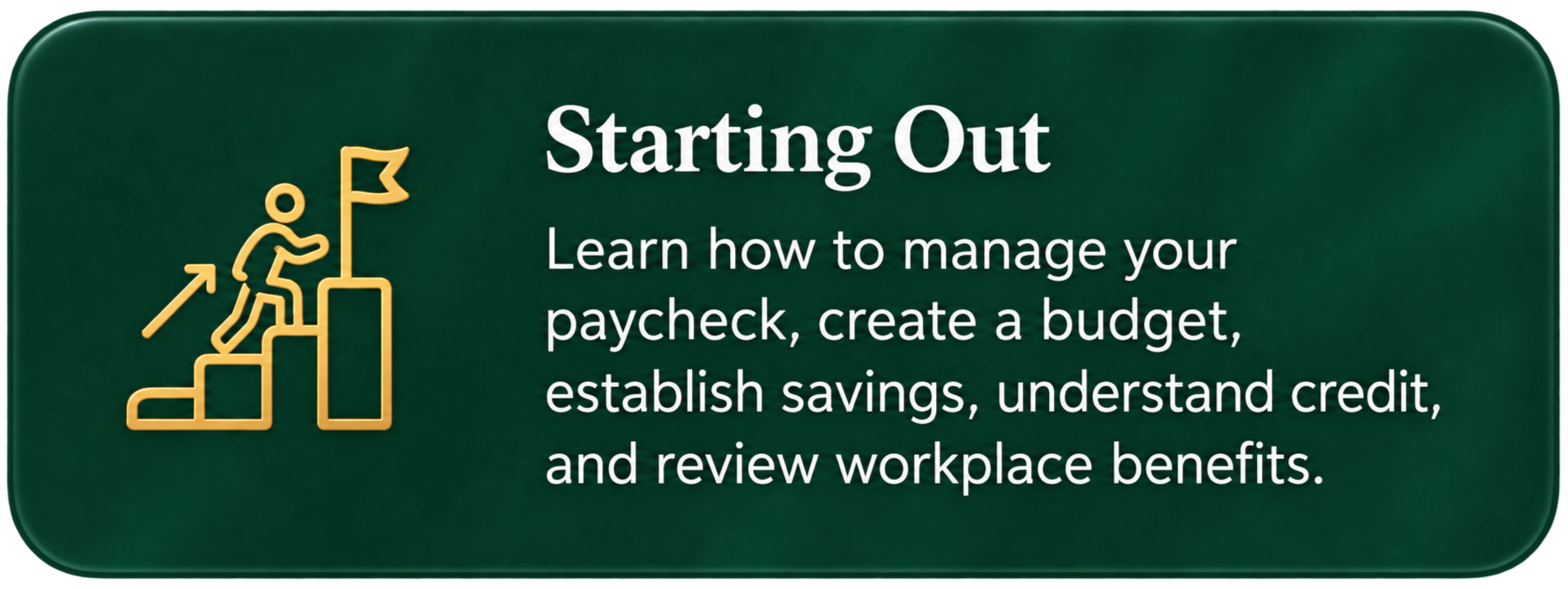
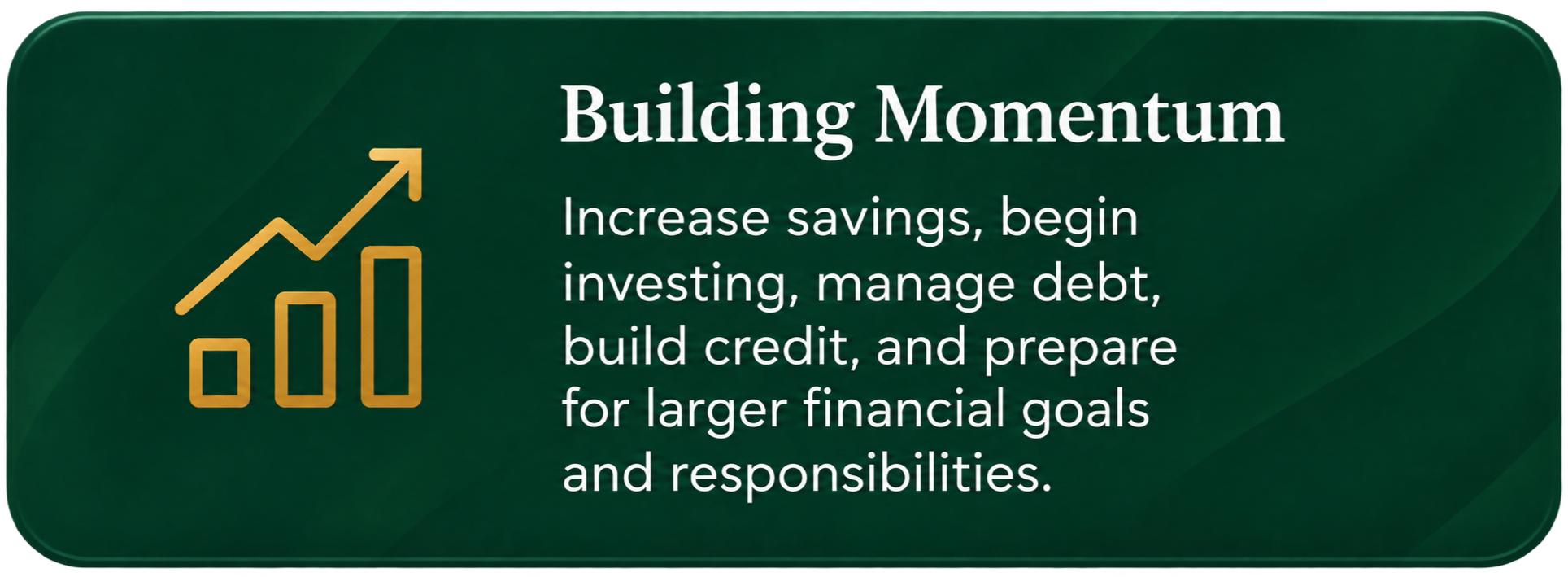
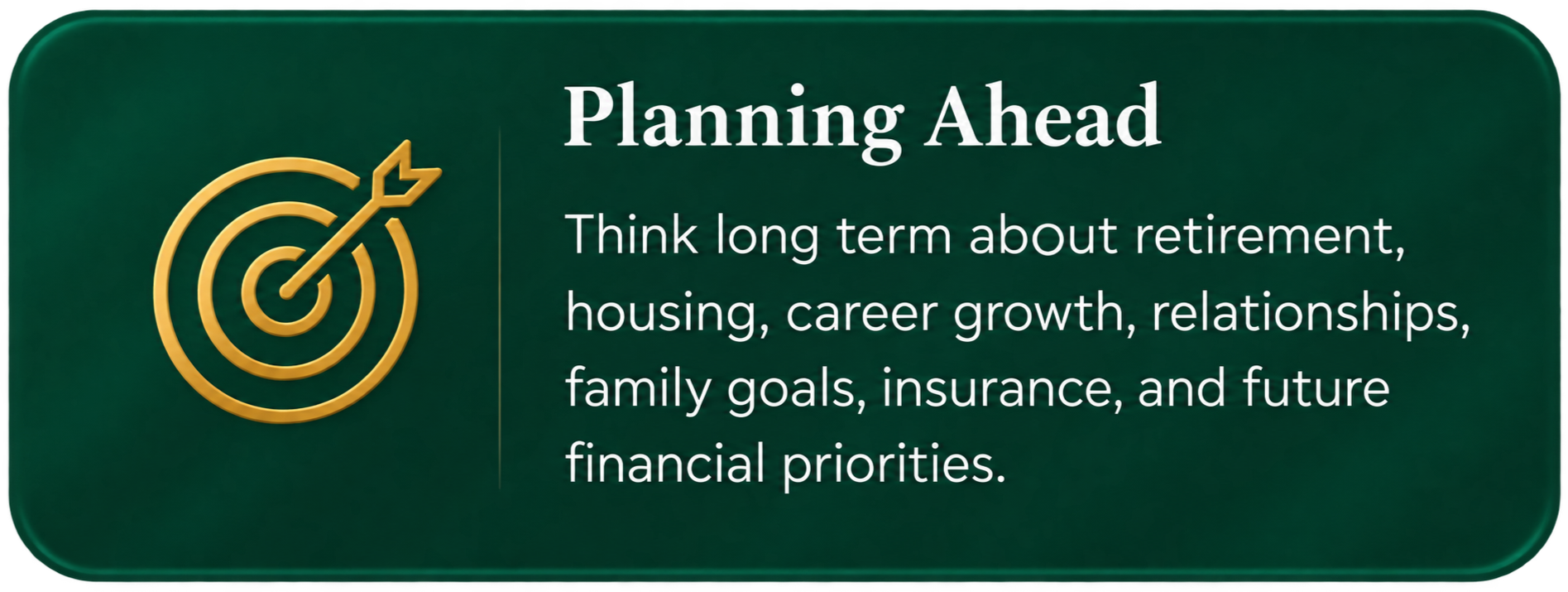
Young Adults & Next Generation Planning Guides
Financial education does not have to be complicated. Our Young Adults & Next Generation Planning Series provides practical resources designed to explain important financial topics, help you ask better questions, and build confidence as your financial life develops.
-
![]()
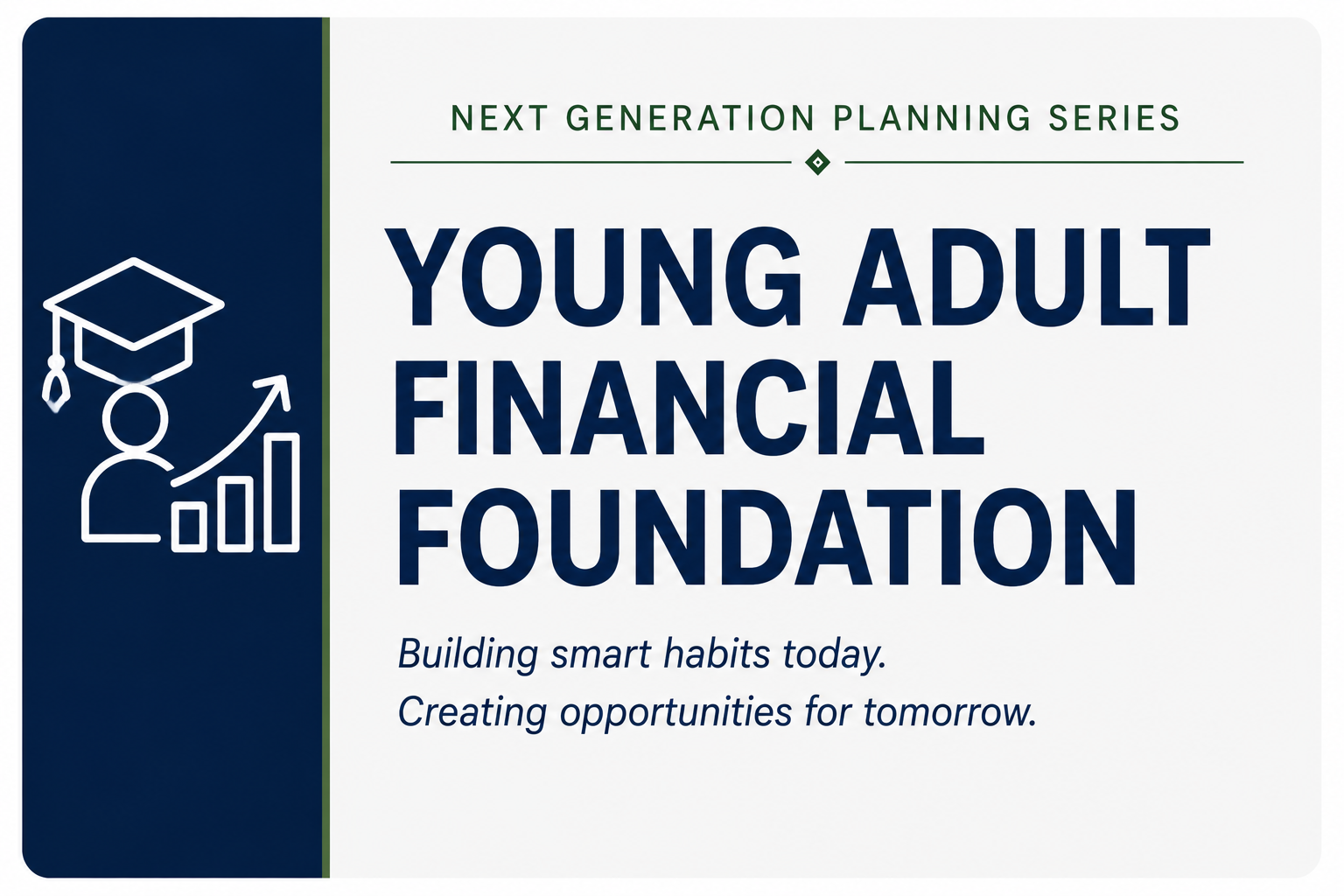
Young Adult Financial Foundation
Learn the basics of budgeting, emergency savings, credit, debt management, insurance, and beginning to plan for future financial goals.
-
![]()
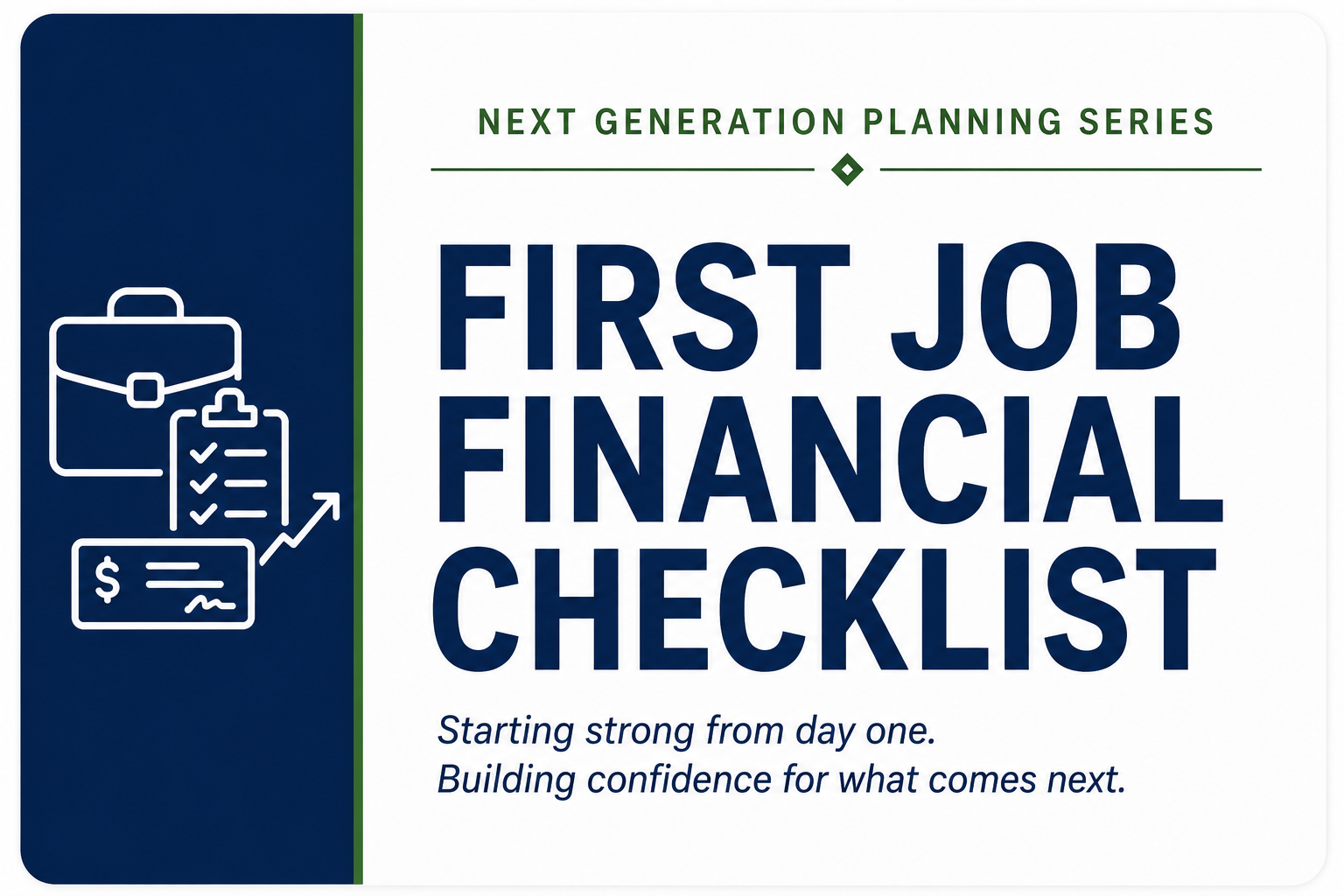
First Job Financial Checklist
Review important decisions that often come with starting a new job, including paychecks, taxes, workplace benefits, retirement plans, insurance, and budgeting.
-
![]()
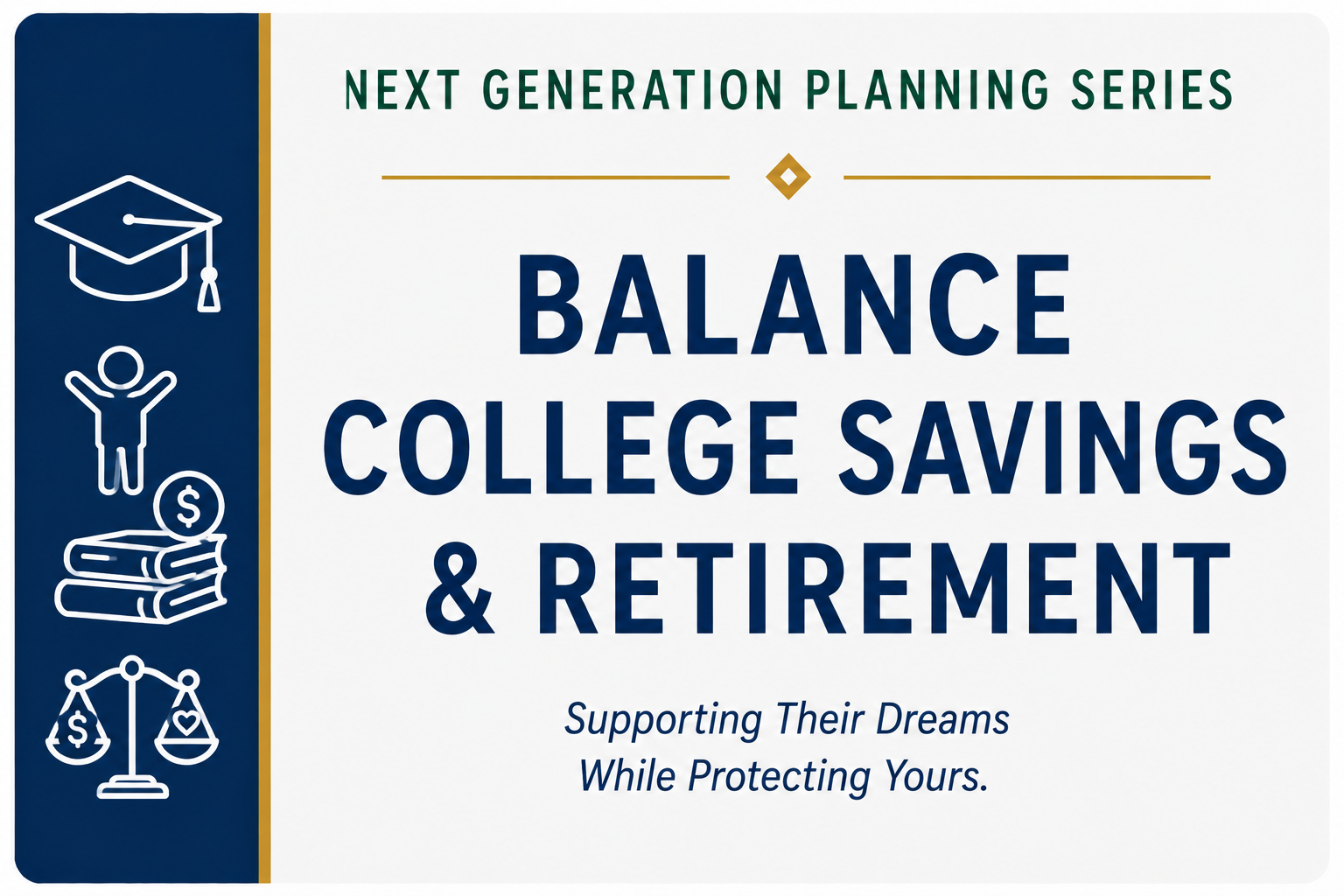
Balance College Savings & Retirement
Explore how families can think about supporting education goals while continuing to protect their own long-term retirement priorities.
-
![]()
Grandparents & College Gifting
Review ways grandparents may help support a grandchild's education and important financial considerations to discuss before giving.

Before Making Your First Big Financial Decisions


Understand the Full Cost
Look beyond the monthly payment and understand fees, interest, insurance, taxes, and ongoing expenses.

Know What You Can Afford
Consider your income, savings, other obligations, and how much flexibility you want to keep.

Think Beyond Today
Consider how a decision may affect future savings, credit, retirement, and other goals.
Ask Questions Before You Commit
Take time to understand the terms, alternatives, and long-term impact before signing or borrowing.
Financial Independence Is a Family Transition Too
The goal is not necessarily to remove every financial challenge - it is to help the next generation develop the knowledge and confidence to manage them.
How We Help
Young Adults & Next Generation FAQs
-
Beginning as early as possible can provide more time for savings to grow. Even smaller contributions made consistently early in your career may have a meaningful impact over time.
-
A good starting point is to understand your take-home pay, create a realistic budget, establish savings goals, review your workplace benefits, and consider contributing to an employer retirement plan if one is available.
-
The appropriate amount depends on your expenses, income stability, responsibilities, and available support. Building even a smaller emergency reserve first can help provide a cushion for unexpected expenses.
-
The answer may depend on the type of debt, interest rate, available employer retirement match, emergency savings, and your broader financial goals. In many cases, these priorities can be addressed together rather than choosing only one.
-
Both can be used for retirement savings, but they have different contribution rules, tax treatment, investment choices, and eligibility requirements. Understanding those differences can help you determine how they may fit into your overall savings strategy.
-
Credit history can become important when applying for apartments, loans, credit cards, or a mortgage. Using credit responsibly and paying balances on time can help establish a stronger credit history over time.
-
Financial planning is not only for people with significant assets. Early planning can help you establish good habits, understand your benefits, prioritize competing goals, and make more informed decisions as your income grows.
Start Building Your Financial Future Today
Whether you are beginning your first job, learning how to manage money, saving for future goals, or starting to invest, the decisions you make today can help create more opportunities for tomorrow.