

Retirement Planning Series
Retirement Planning Begins Before Retirement
Preparing for retirement is an ongoing process. The decisions you make throughout the years leading up to retirement may affect your future income, healthcare coverage, taxes, beneficiaries, and overall financial flexibility.
Bringing the Pieces Together
At The Snook Group, we help individuals and families understand the different pieces of retirement planning and how they may work together. Our goal is to provide education, personalized guidance, and a clearer path forward as you prepare for this important stage of life.
Important Areas of Retirement Planning
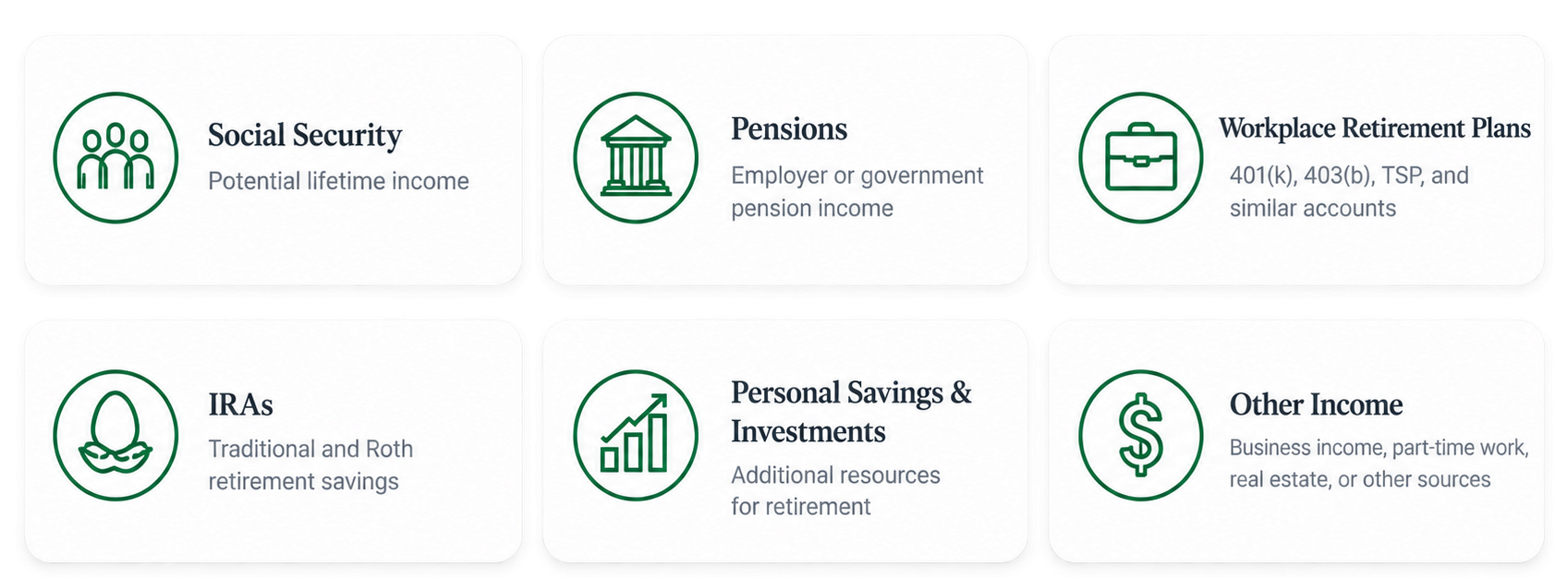
Your Retirement Income May Come From Several Sources
A retirement strategy often relies on more than one source of income. Understanding how those resources may work together can help you plan for both everyday expenses and longer-term needs.
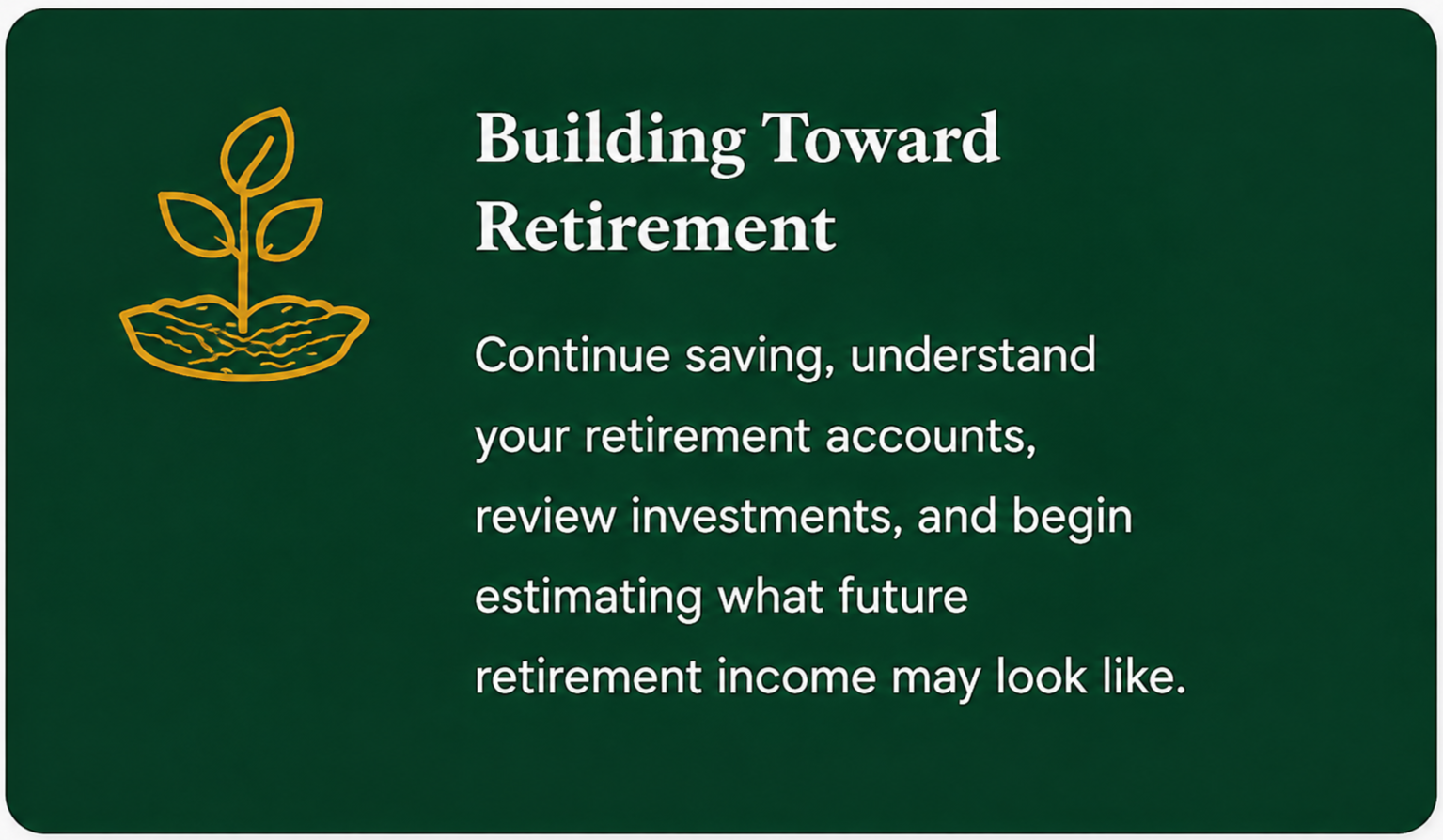
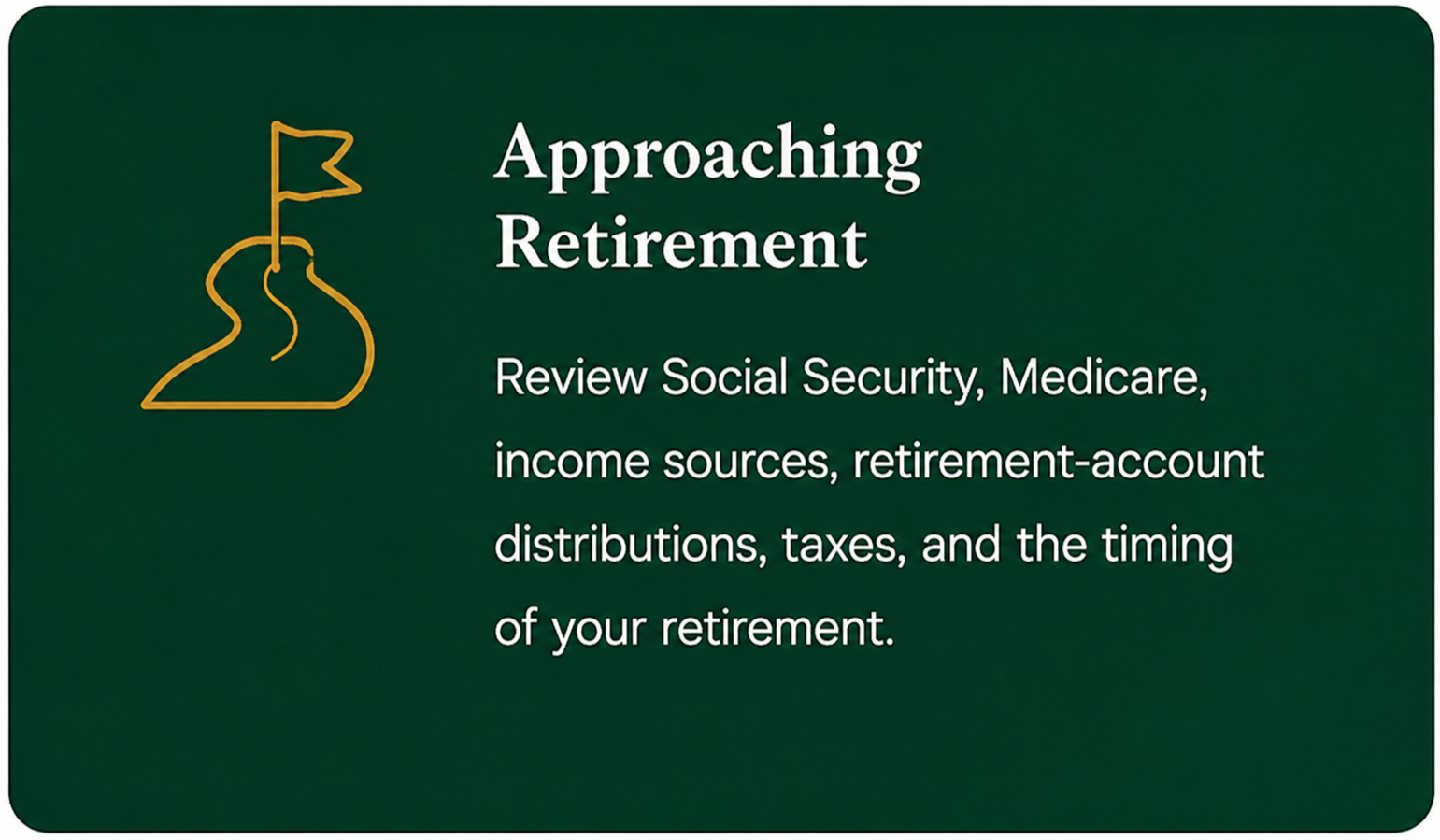
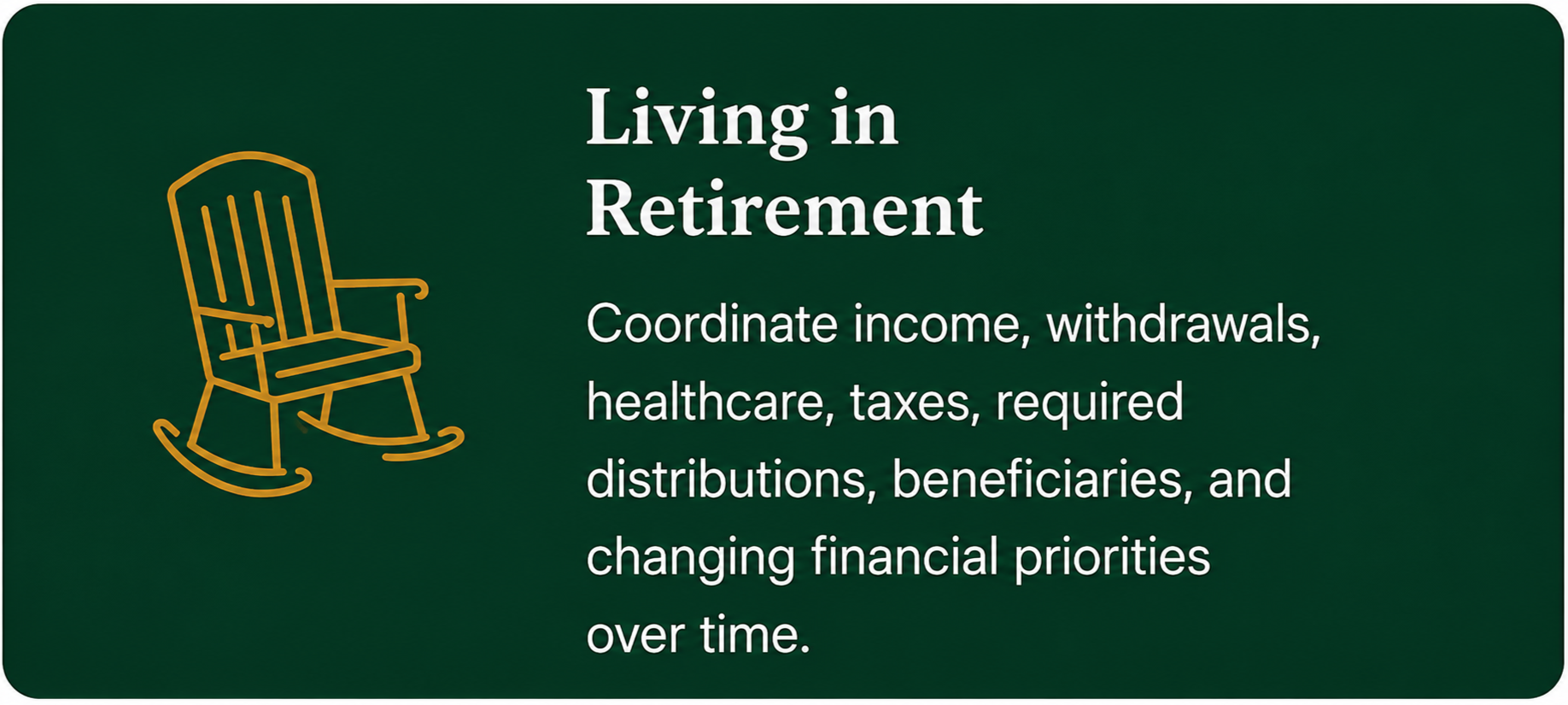
Where Are You in Your Retirement Journey?
Retirement Planning Guides
Retirement decisions can feel complicated, especially when several financial milestones occur within a relatively short period of time. Our Retirement Planning Series provides educational resources to help you understand important topics, prepare for upcoming decisions, and ask more informed questions as retirement approaches.
-
![]()
Turning 59½
Learn why age 59½ is an important retirement milestone and review considerations involving retirement-account access, distributions, taxes, and your broader retirement strategy.
-
![]()
Age 62 and Social Security
Explore key considerations surrounding Social Security eligibility, claiming decisions, income needs, and how benefits may fit into your overall retirement plan.
-
![]()
Age 65: Medicare and Retirement
Prepare for Medicare eligibility and review how healthcare decisions may connect with employer coverage, retirement timing, and your future financial needs.
-
![]()
Age 73 and Required Minimum Distributions
Understand the basics of required minimum distributions, important deadlines, potential tax considerations, and how distributions may affect your retirement-income strategy.
-
![]()
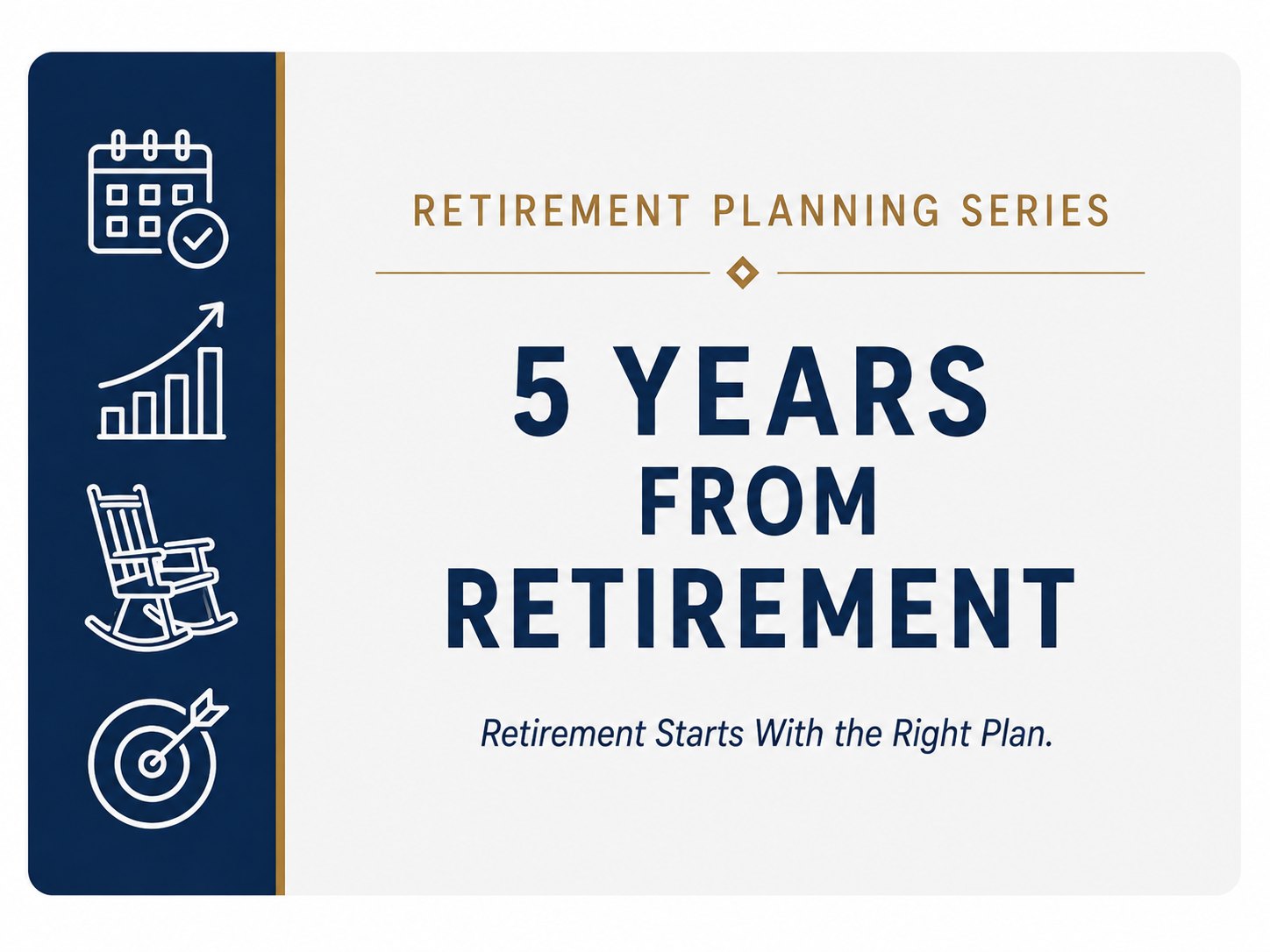
Five Years From Retirement
Review the financial areas that may deserve attention as you enter the final years before retirement, including income planning, savings, healthcare, and important benefit decisions.
Know What Your Income May Look Like
Review Social Security, pensions, retirement accounts, savings, and other expected income sources.
Before You Retire

Understand Your Healthcare Options
Prepare for Medicare, employer benefits, supplemental coverage, and anticipated healthcare expenses.
Review Your Retirement Accounts
Consider withdraws, taxes, required distributions, investment allocation, and beneficiary designations.

Prepare for the Transition
Think about cash flow, taxes, lifestyle changes, major expenses, and how your financial needs may change once work stops.
Retirement Planning FAQs
-
Retirement planning is most effective when it begins several years before your intended retirement date. Starting early provides more time to review your savings, estimate future income, prepare for healthcare costs, and address potential gaps.
-
The amount varies based on your expected lifestyle, retirement age, healthcare costs, income sources, longevity, inflation, and other personal circumstances. A retirement-income review can help you better understand how your available resources compare with your anticipated needs.
-
There is no single claiming age that is right for everyone. The decision may depend on your income needs, health, employment status, spouse’s benefits, expected longevity, and other retirement resources.
-
Retirement-account withdrawals should be considered alongside Social Security, pensions, personal savings, taxes, required distributions, and your ongoing income needs. A coordinated withdrawal strategy can help you understand which resources may be appropriate to use and when.
-
Required minimum distributions are mandatory withdrawals that may apply to certain retirement accounts after reaching the applicable age. The amount is generally calculated each year, and missing a required distribution may result in tax consequences.
-
Your plan should be reviewed periodically and whenever there is a significant change involving your income, employment, health, family, retirement timing, tax situation, or financial goals.
Prepare for Retirement With Greater Confidence
Whether retirement is several years away or quickly approaching, understanding your options can help you make more informed decisions about your income, benefits, healthcare, and financial future.