

Education & College Financial Planning
College Planning Is About More Than Saving
For many families, college funding is one of the largest financial commitments they will make. The challenge is often not just determining how much college may cost but deciding how those expenses may be covered.
Savings, financial aid, scholarships, loans, current income, and family contributions can all become part of the picture.
A Plan for the Full Cost of College
At The Snook Group, we can help families understand the financial considerations surrounding college and education planning.
By looking at the available resources, potential borrowing, and broader family goals together, parents and students can make more informed decisions before commitments are made.
Important Areas of College Financial Planning
College funding involves several moving pieces. Understanding each area can help families evaluate their options and build a more coordinated strategy.



Building a College Funding Strategy
Most Families do not rely on one source to pay for college. Instead, several resources may work together



Parents and Students Both Have Decisions to Make
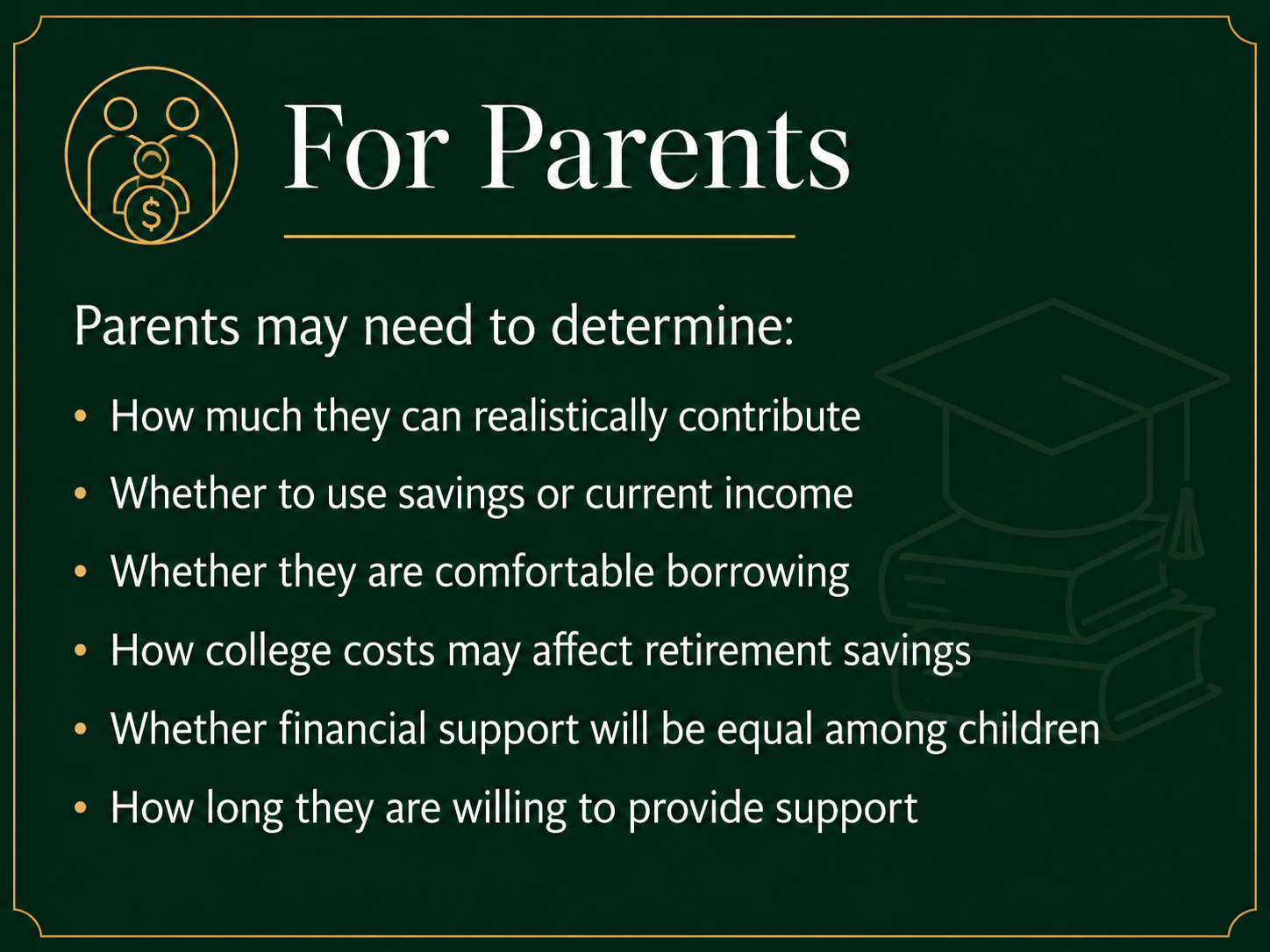
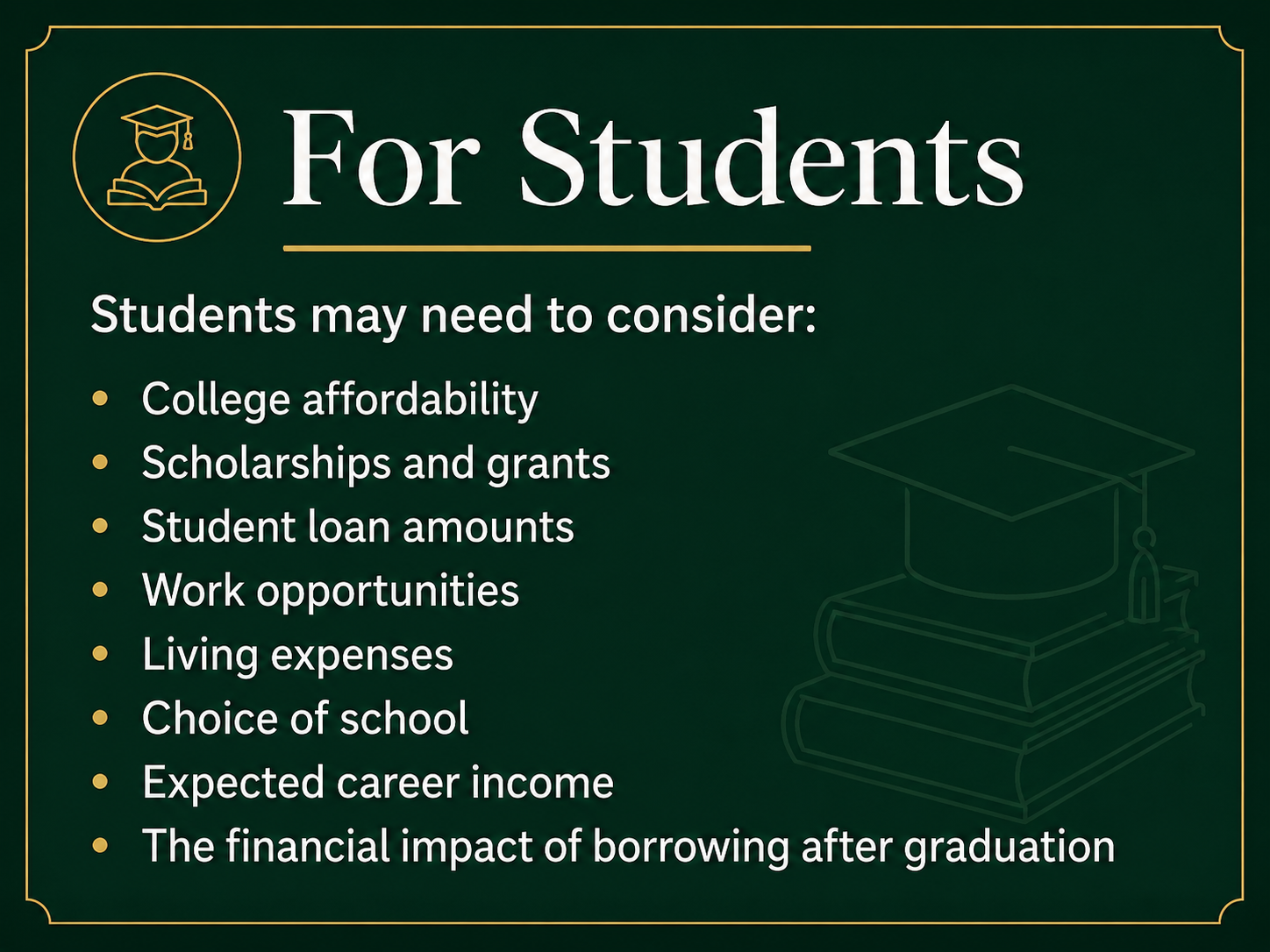
Parents and students often approach college costs from different perspectives. Having these conversations before decisions are made can help establish expectations and clarify responsibilities.
College Financial Planning Guides
Resources to Help Families Understand Their Options
College planning can feel overwhelming because financial aid, savings, borrowing, and school costs often overlap. Our College Financial Planning Guides are designed to make these topics easier to understand and help families ask better questions before making important decisions.
-
![]()
Understanding FAFSA
Learn what FAFSA is, why it matters, what information families may need to provide, and how it fits into the financial-aid process.
-
![]()
Understanding Parent PLUS Loans
Review how Parent PLUS loans work, who is responsible for repayment, borrowing considerations, and questions parents may want to ask before using them to fund college costs.
-
![]()
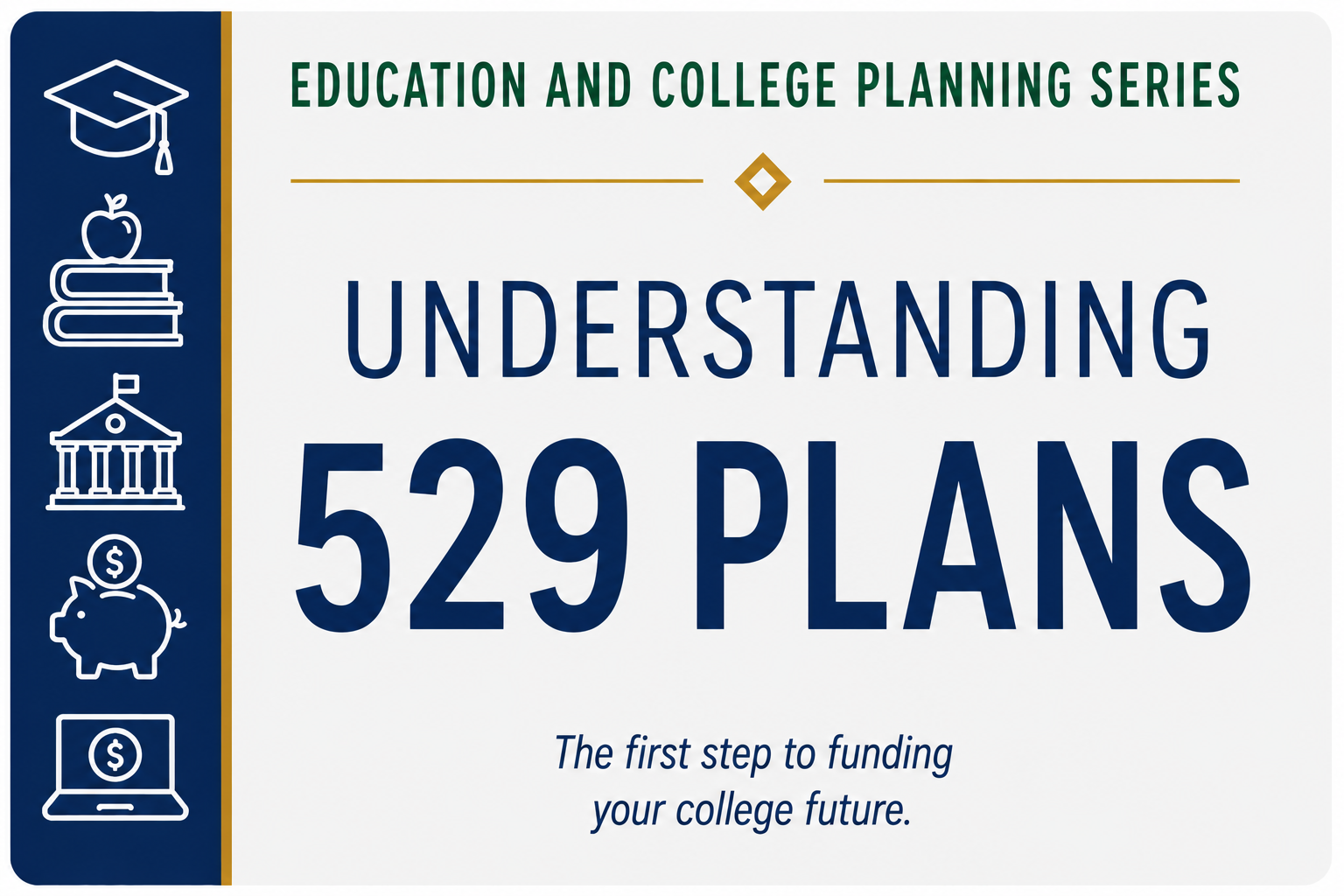
Understanding 529 Plans
Explore how 529 plans work, potential qualified education expenses, contribution considerations, and how these accounts may fit into a broader college-funding strategy.
-
![]()
Balancing College Savings & Retirement
Learn why helping children with college should be considered alongside parents' own retirement goals and how families can think about competing financial priorities.
-
![]()
Grandparents & College Gifting
Explore ways grandparents may help with education expenses and financial considerations families may want to review before making gifts.


Before Taking on College Debt
Before borrowing, families may want to understand more than the amount available.

Who Is Borrowing?
Determine whether the student, parent, or both will be responsible for repayment

What will It Cost?
Consider interest rates, fees, repayment terms, and the total amount expected to be repaid.

What Happens After Graduation?
Estimate how future loan payments may compare with expected income and other expenses.

What Other Goals Are Affected?
Consider how borrowing may affect retirement savings, home purchase, emergency reserves, and other priorities.
Common College Financial Planning Questions
-
A 529 plan is a tax-advantaged account designed to help save for qualified education expenses. Rules vary depending on how the funds are used and the type of education expense.
-
Education savings can be considered as part of the financial-aid process, although treatment may vary depending on ownership and other circumstances.
-
Cost is an important factor, but families may also consider academic fit, financial-aid offers, graduation rates, career goals, expected borrowing, and overall value.
-
The answer depends on the type of loan, interest rate, repayment terms, available aid, and the family's financial situation. Understanding who will be responsible for repayment is especially important.
-
FAFSA stands for the Free Application for Federal Student Aid. It is used to determine eligibility for federal student aid and may also be used by colleges and other organizations when awarding certain types of assistance.
-
A Parent PLUS loan is a federal loan that eligible parents may use to help pay education expenses for a dependent undergraduate student. The parent, not the student, is responsible for repayment.
-
There is no single amount that is appropriate for every family. Parents should consider income, existing debt, retirement progress, expected repayment obligations, and other financial priorities before deciding how much to borrow.
-
Using retirement assets for college may have tax and long-term financial consequences. Families should carefully evaluate the impact before using retirement resources for education expenses.
Make College Decisions With Greater Financial Clarity
Whether you are completing FAFSA, comparing financial-aid offers, reviewing Parent PLUS loans, using a 529 plan, or deciding how much your family can realistically contribute, understanding the financial impact can help you make more informed college decisions.